Dry Eye Care
Definition of Dry Eye Disease
Dry eye is a multifactorial, symptomatic disease characterized by a loss of homeostasis of the tear film and/or ocular surface, in which tear film instability and hyperosmolarity, ocular surface inflammation and damage, and neurosensory abnormalities are etiological factors.
What This Means in Layman's Terms
- Dry Eye is a disease, not just a minor annoyance: Dry eye is a medical condition that affects the structure and health of your eye, rather than just a random feeling of tiredness.
- Symptoms for diagnosis: Experience symptoms for diagnosis (like burning, grittiness, or stinging, etc. - see symptom examples below)
- Loss of balance (homeostasis): Your eyes and tears have a delicate, healthy balance. When that balance fails, the system breaks down.
- Tear film instability: Your tears break up too fast across the surface of the eye instead of staying smooth and protective, leaving parts of the eye exposed to the air.
- Hyperosmolarity: Your tears become too "salty" or concentrated because there is not enough water or proper oil balance, which irritates the tissue.
- Inflammation and damage: The irritation causes mild swelling and micro-damage to the delicate surface of your eye.
- Neurosensory abnormalities: The tiny nerves on the surface of your eye get confused or overly sensitive, which can make your eyes feel way more painful or uncomfortable than they look.
Multiple causes (multifactorial): It rarely has just one root cause—it is usually driven by a mix of things like screen time, aging, makeup habits, blocked oil glands in your eyelids, or environmental stress
SYMPTOMS
Signs and symptoms, which usually affect both eyes, may include:
- A stinging, burning, scratchy or gritty sensation in your eyes
- Stringy mucus in or around your eyes
- Sensitivity to light
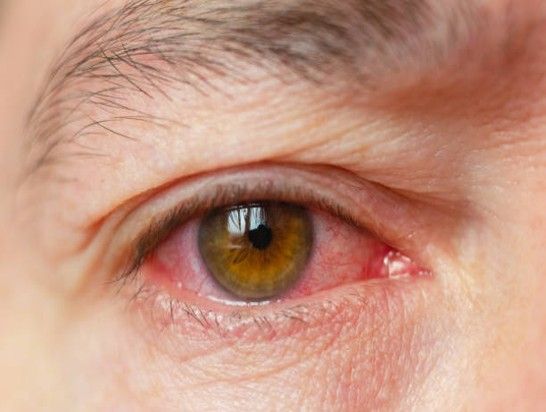
- Eye redness
- A sensation of having something in your eyes
- Difficulty wearing contact lenses
- Difficulty with nighttime driving
- Watery eyes, which is the body's response to the irritation of dry eyes
- Blurred vision or eye fatigue


When to see a doctor
See your health care provider if you have any of the signs and symptoms of dry eye above, including red, irritated, tired or painful eyes. Your provider can take steps to determine what's bothering your eyes.
CAUSES
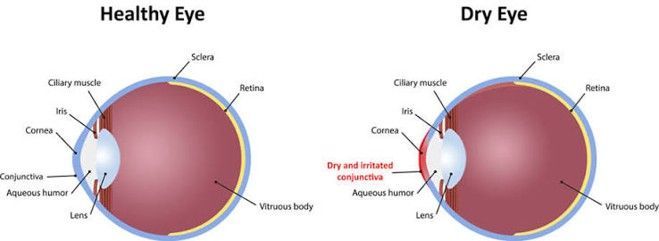
Dry eyes are caused by a variety of reasons that disrupt the healthy tear film. Your tear film has three layers: fatty oils, aqueous fluid and mucus. This combination usually keeps the surface of your eyes lubricated, smooth and clear. Problems with any of these layers can cause dry eyes.
Reasons for tear film dysfunction are many, including hormonal changes, autoimmune disease, inflamed eyelid glands or allergic eye disease. For some people, the cause of dry eyes is decreased tear production or increased tear evaporation. Additional Causes and further clarification below.
- Low Blink Rate
- Meibomian Gland Disfunction
- Decreased function of the Lacrimal Glands
- Lagophthalmos (incomplete eyelid closure)
- Contact Lens misuse
- Medications (antihistamines, decongestants, antidepressants)
- Environmental Conditions (smoke and wind)
- Refractive surgery
Tear glands and tear ducts
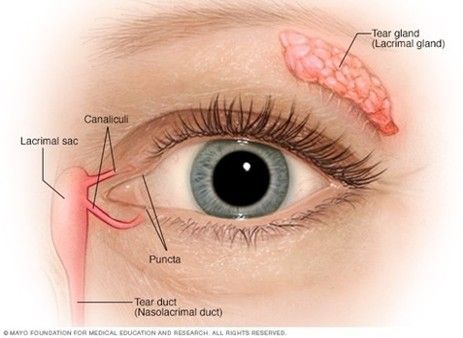
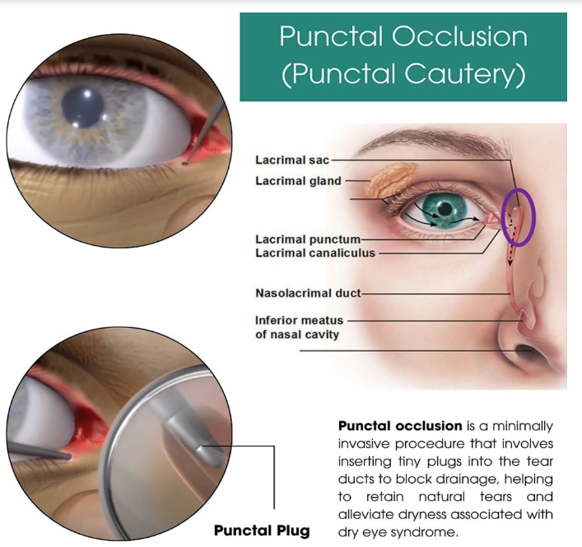
Tear glands, also called lacrimal glands, located above each eyeball continuously supply tear fluid that's wiped across the surface of the eye with each blink of the eyelids. Excess fluid drains through the tear ducts into the nose.
Decreased tear production
Dry eyes can occur when you're unable to produce enough liquid tears, also called aqueous fluid. The medical term for this condition is keratoconjunctivitis sicca (ker-uh-toe-kun-junk-tih-VY-tis SIK-uh). Common causes of decreased tear production include:
- Aging
- Certain medical conditions including Sjogren's syndrome, allergic eye disease, rheumatoid arthritis, lupus, scleroderma, graft vs. host disease, sarcoidosis, thyroid disorders or vitamin A deficiency
- Certain medicines, including antihistamines, decongestants, hormone replacement therapy, antidepressants, and medicines for high blood pressure, acne, birth control and Parkinson's disease
- Corneal nerve desensitivity caused by contact lens use, nerve damage or laser eye surgery, though symptoms of dry eyes related to this procedure are usually temporary
Increased tear evaporation
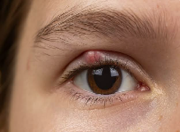
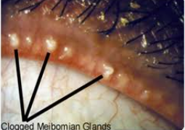
The oil film produced by small glands (meibomian glands) on the edge of your eyelids might become clogged. Blocked meibomian glands are more common in people with rosacea or other skin disorders.
Common causes of increased tear evaporation include:
- Posterior blepharitis (meibomian gland dysfunction)
- Blinking less often, which tends to occur with certain conditions, such as Parkinson's disease; or when you're concentrating during certain activities, such as while reading, driving or working at a computer
- Eyelid problems, such as the lids turning outward (ectropion) and the lids turning inward (entropion)
- Eye allergies
- Preservatives in topical eye drops
- Wind, smoke or dry air
- Vitamin A deficiency

Risk factors
Factors that make it more likely that you'll experience dry eyes include:
- Tear production tends to diminish as you get older. Dry eyes are more common in people over 40.
- A lack of tears is more common in women, especially if they experience hormonal changes due to pregnancy, using birth control pills or menopause.
- Eating a diet that is low in vitamin A, which is found in liver, carrots and broccoli, or a diet low in omega-3 fatty acids, which are found in fish, walnuts and vegetable oils.
- Wearing contact lenses or having a history of refractive surgery.
Diagnosis and Treatment of Dry Eye Disease
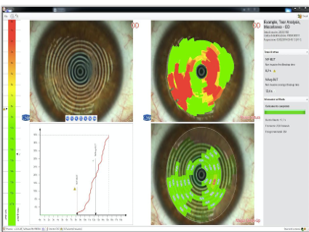
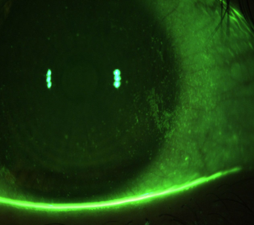
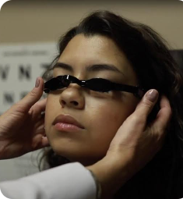
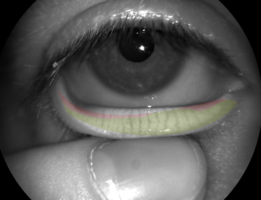
Meibomian Gland Thermal Treatment
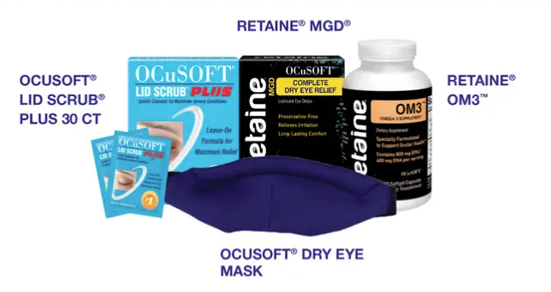
Dry Eye Cleansers, Drops, Supplements and Pharmaceuticals
What is your Dry Eye Score?
What the SPEED Score Measures
- Symptoms Evaluated: Dryness, grittiness or scratchiness, soreness or irritation, burning or watering, and eye fatigue.
- Timeframes: Evaluates how symptoms occur currently (at the visit or past 72 hours) and how they have changed over the past 3 months.
Scoring System (0 to 28 Scale)
- Frequency Rating: Usually graded from 0 to 3 (0 = Never, 1 = Sometimes, 2 = Often, 3 = Constant).
- Severity Rating: Usually graded from 0 to 4 (0 = No problems, 1 = Tolerable, 2 = Uncomfortable, 3 = Bothersome, 4 = Intolerable).
- Total Score: The combined score ranges from 0 to 28.
Score Severity Interpretations
- 0 – 4: Mild dry eye symptoms
- 5 – 7: Moderate dry eye symptoms
- 8+ (8 to 28): Severe dry eye symptoms